What RNG certification actually means
Underneath every digital casino game sits a random number generator: a piece of software whose entire job is to produce output that cannot be anticipated, reconstructed or steered. When you press spin, the generator emits a value, the game maps that value onto a result, and the animation you watch afterwards is presentation of a decision already made. Certification is the process by which an independent testing laboratory examines that generator — feeding it enormous volumes of output and checking the distribution against statistical expectations, reviewing how it is seeded, and confirming the game actually uses the audited code rather than something swapped in later. We run an independent guide, so we will not tell you which laboratory stamped which title; what we can do is explain what the stamp is evidence of, and — just as useful — what it is not.
What the stamp covers, and what it never will
A certificate is a statement about statistical behaviour over a colossal sample, not a statement about your evening. The distinction matters because most fairness complaints, and most fairness superstitions, come from reading a short session as though it were a long-run sample. These four points separate the two.
Unpredictability is the product
A generator passes testing precisely because its output shows no exploitable structure: no cycles short enough to observe, no correlation between one result and the next, no bias toward any region of outcomes. That property cuts both ways — the machinery that protects you from a rigged game is the same machinery that guarantees no betting pattern, hot-streak theory or tracking spreadsheet can see the next result coming.
What a laboratory actually does
Testing houses generate output at a scale no player ever will — sample sizes measured in the billions — and run batteries of statistical checks against the expected distribution. They also audit seeding, because a generator seeded predictably is predictable regardless of how good its algorithm is, and they verify the deployed game binary matches the audited one. Certification is renewed, not granted once and forgotten.
Independence between rounds
Each request to the generator is a fresh draw. The game keeps no memory of what it paid you, owes you nothing after a dry spell, and holds no grudge after a big result. A slot that just hit its feature is exactly as likely to hit it again as it was before, and a wheel that landed on the same colour repeatedly is not correcting itself next round. Every system built on the contrary assumption fails for the same reason.
The discipline this implies
Once you accept that outcomes are genuinely random and rounds genuinely independent, the only decisions left under your control are which games to play, at what stakes, and for how long. That is not a consolation prize — those three choices determine almost everything about how a session feels. Set them before the session starts, while the deciding is easy, and let the generator do what it does.
1. The provider row, and why it matters for fairness
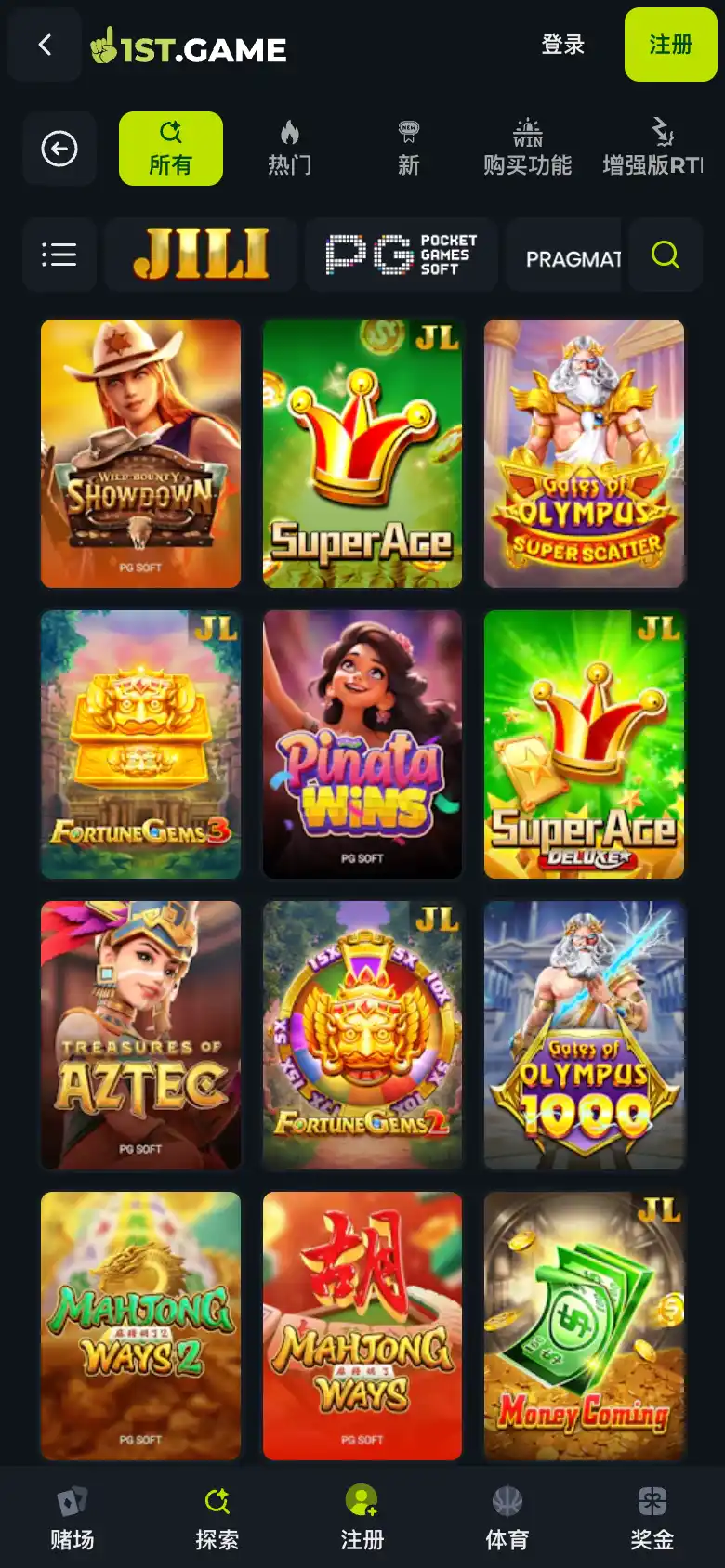
Every title on the site carries a provider name — the slots category opens with a filter row of them (JILI, PG Soft, Pragmatic Play and more). The random number generator sits with that provider, not with the operator you deposited into, and it is the provider's certification that any fairness claim rests on. Knowing which studio made a game is the first step to checking that claim yourself.
Frequently asked questions
Can a certified game still feel streaky?
Yes, and it should. Genuine randomness produces clusters — runs of losses, bursts of wins — far more often than intuition expects. A perfectly uniform, evenly spaced sequence would actually be evidence of tampering. Streaks in a certified game are randomness looking exactly like itself, and they carry no information about what comes next.
Does the operator control the RNG?
In the standard model, no — the generator lives inside the game, which is built and maintained by the studio that made it, and certification exists to verify the deployed code is the audited code. The operator hosts the game and settles the wagers. This separation of roles is one of the structural reasons studio-published game information is worth reading.
Is there any way to predict the next result?
No. Not by tracking past results, not by timing your button press, not by software that claims to have cracked the pattern. A generator with a discoverable pattern would fail certification, and anything sold to you as a predictor is either fiction or fraud. The honest planning assumption is that every future round is unknown to everyone, including the platform.
